
Finding a haircut you love can make getting ready in the morning feel a little easier. Maybe your hair has become finer over the years, your usual style no longer feels quite right, or you simply want a change that reflects who you are today.
The good news is that there is no single haircut that every woman over 50 should choose. Some women love the simplicity of a short pixie, while others prefer a classic bob, soft shoulder-length layers, or long silver hair. The best choice depends on your hair texture, density, face shape, lifestyle, and how much time you want to spend styling it.
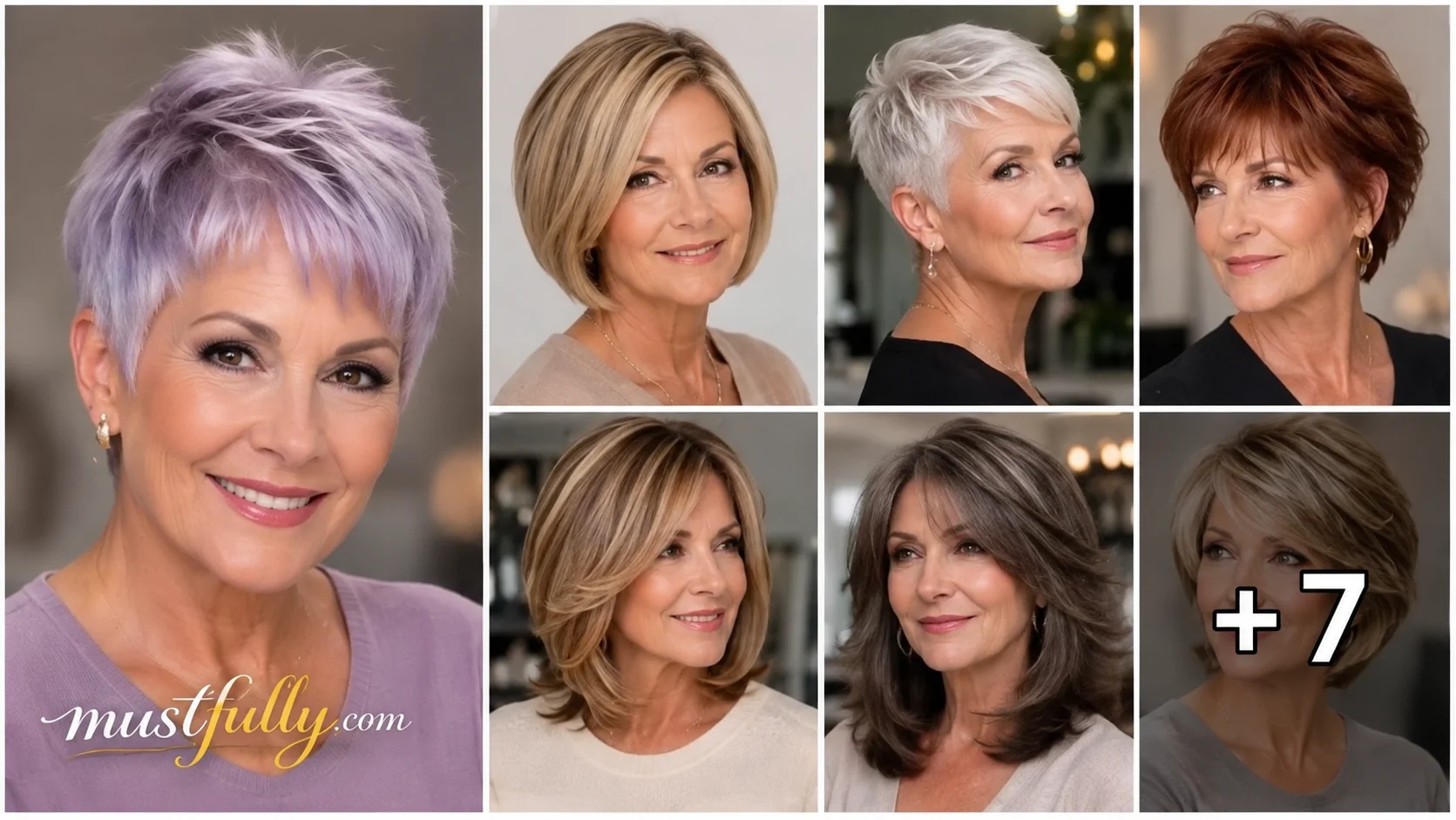
In this guide, we’ll look at seven beautiful haircuts for women over 50, along with practical tips to help you decide which style might work for you. Think of these ideas as inspiration to discuss with your hairstylist rather than strict rules about what women of a certain age should wear.
1. The Classic Bob: A Timeless, Easy-to-Style Choice
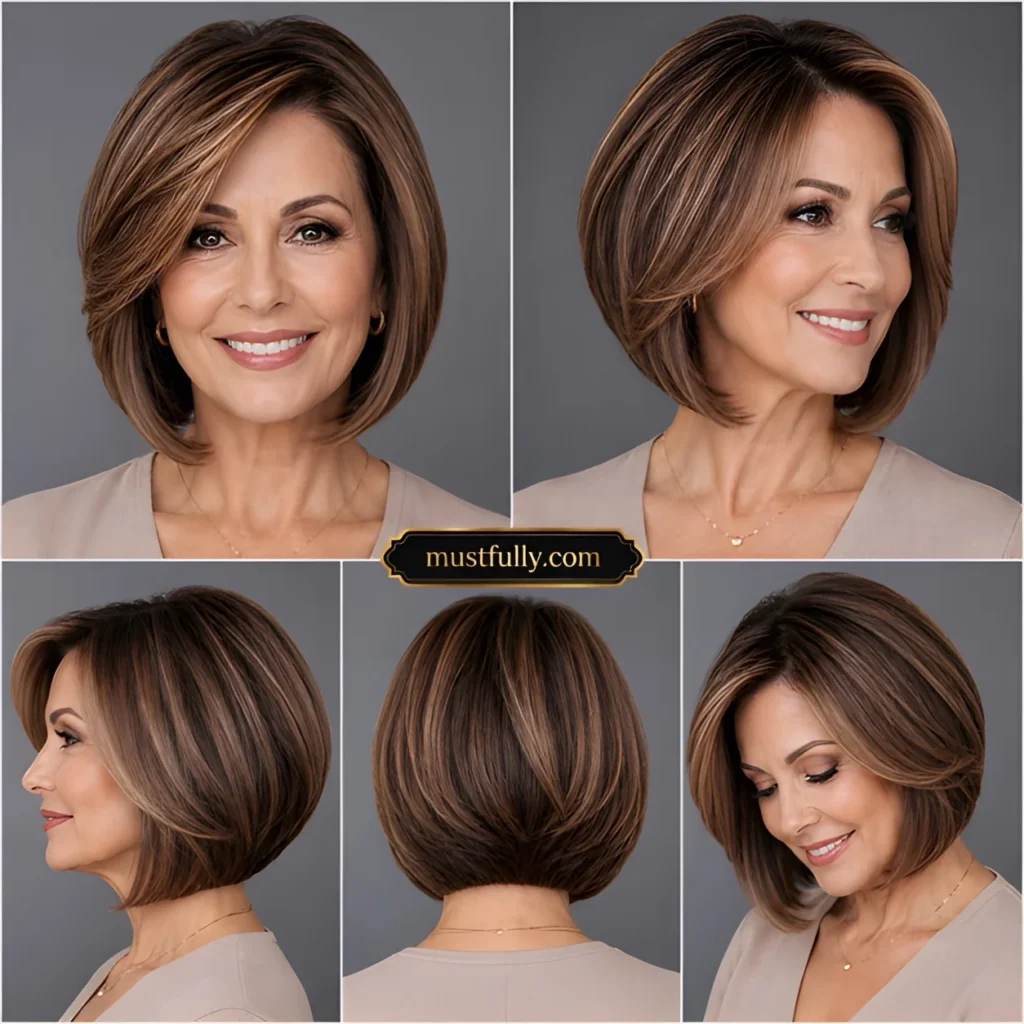
A classic bob remains a popular option for women who want a polished haircut without committing to very short hair. Usually cut around the chin or slightly below it, this style can look sleek and structured or soft and relaxed, depending on the finish.
One reason the bob is so versatile is that small changes can make a noticeable difference. A blunt edge creates a clean outline, while subtle layers can help the hair move more naturally. A side part or a few face-framing pieces can also change the overall look without requiring a completely different haircut.
Who might like a classic bob?
A bob may be worth considering if you prefer a neat shape, want to remove dry or damaged ends, or enjoy styling your hair with a round brush. The right length depends on your hair’s natural movement and the shape you want to create around your face.
If your hair is fine, ask your stylist whether a relatively solid perimeter would help the ends appear fuller. If your hair is thick, a little internal layering may make the shape easier to manage.
Styling tip: Use a lightweight heat protectant before blow-drying. For a softer finish, turn the ends slightly inward or let them fall naturally rather than aiming for a perfectly rounded shape.
2. The Bixie: A Blend of a Bob and a Pixie
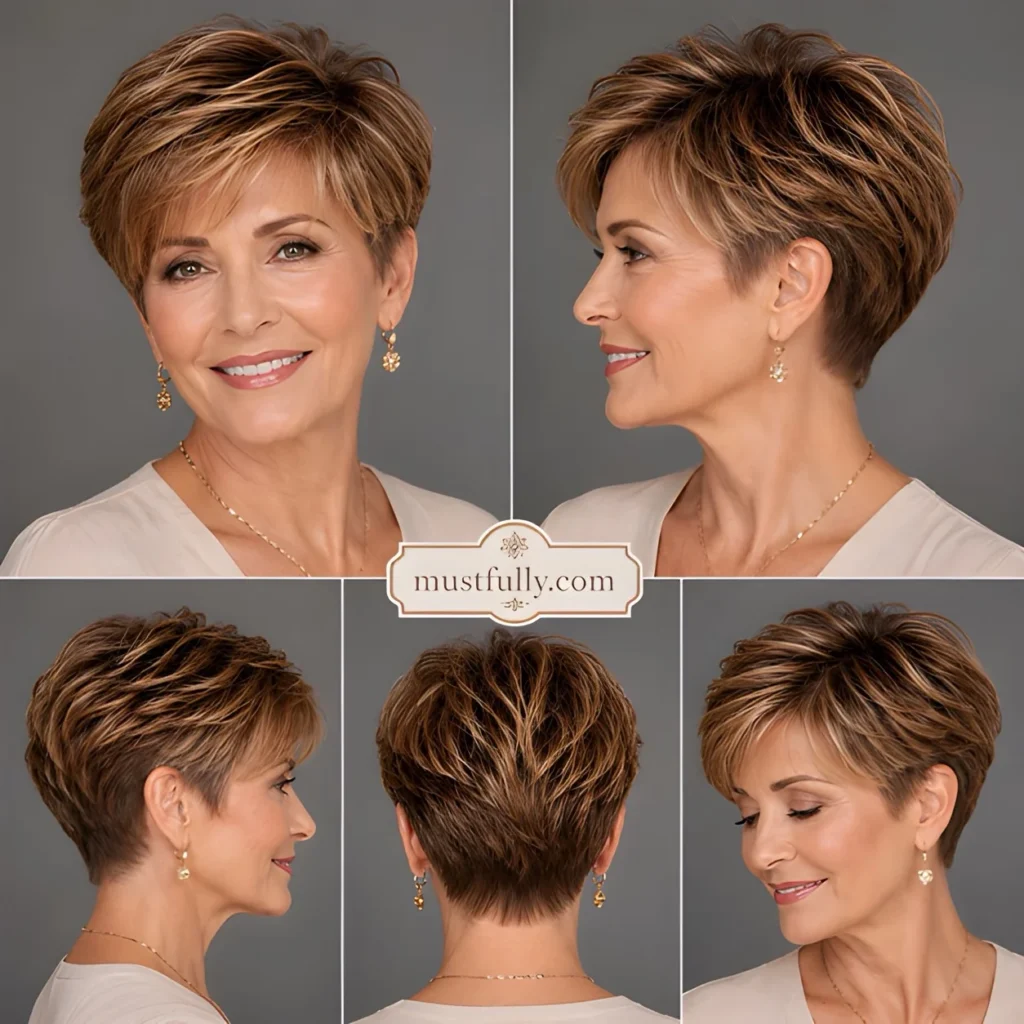
Not ready for a very short pixie, but tired of maintaining a longer bob? The bixie could be a comfortable middle ground. It combines the shorter shape of a pixie with some of the length and movement associated with a bob.
A bixie often has shorter layers at the back and sides, with slightly longer pieces around the crown, ears, or fringe. The exact shape varies, which makes it worth bringing a reference photo to your salon appointment.
Why consider a bixie after 50?
This haircut can create movement without leaving all the hair at one length. It may also suit women who want a shorter style but still like having enough length to sweep a few pieces across the forehead or around the face.
Keep in mind that a bixie is not automatically a low-maintenance choice. Depending on how short the back and sides are, regular trims may be needed to keep the shape looking intentional.
Styling tip: Work a small amount of lightweight styling cream through the ends with your fingers. The aim is to define the layers without making the hair feel stiff or heavy.
3. The Textured Pixie: Short Hair With Plenty of Personality
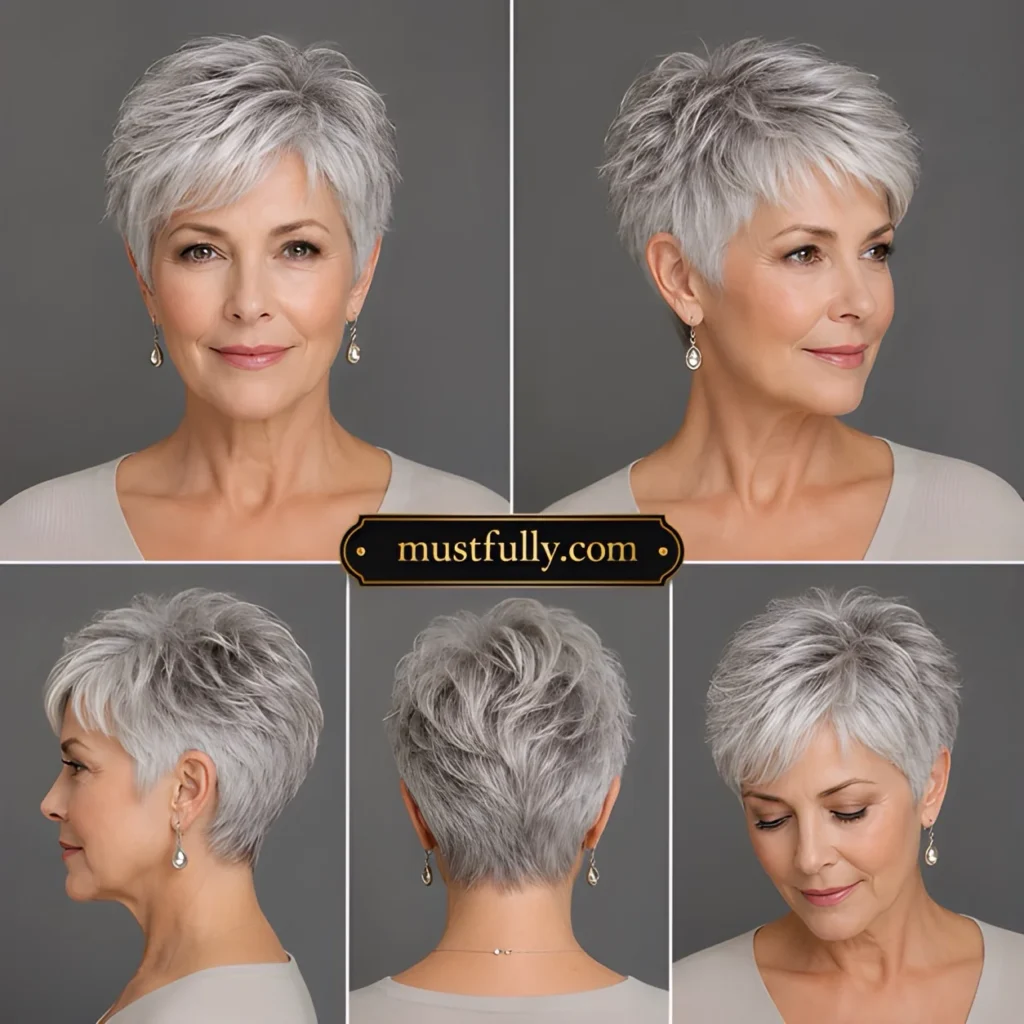
A textured pixie can be a lovely choice if you enjoy short hair and want a style with movement rather than a perfectly smooth finish. The cut usually features shorter sides and back, with textured layers on top. Some versions have a side-swept fringe, while others leave more length around the crown.
The texture is what gives this haircut its character. A few separated pieces can create a relaxed, modern appearance, while a smoother finish can make the same cut look more refined.
Is a pixie right for your hair?
A pixie can work with different hair textures, but the details matter. Fine hair may benefit from carefully placed layers that encourage lift, while thick hair may need thoughtful shaping to avoid unwanted bulk. Natural waves can add movement, although the haircut should be designed around how your hair behaves when it dries.
Before making the cut, talk with your stylist about how short you want the sides, how much length you prefer on top, and how the style will look as it grows.
For more inspiration, see our guide to choosing the best pixie haircut color for women over 50.
Styling tip: Apply a small amount of texturizing cream or lightweight paste to dry hair. Start with less product than you think you need; you can always add a little more.
4. Long Layers: Movement Without Losing Length
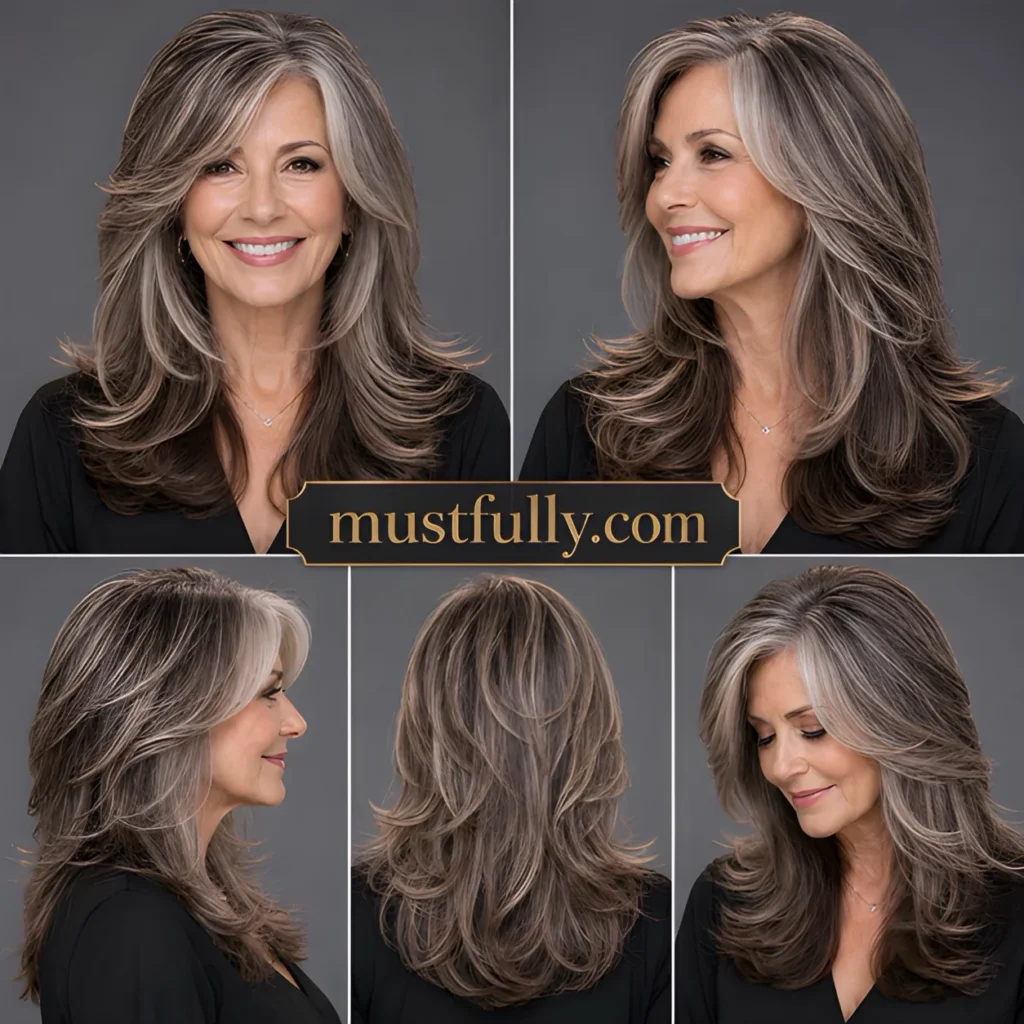
Short hair is not the only option after 50. If you enjoy wearing your hair long, layers can help give it shape and movement while allowing you to keep the length you love.
Long layers remove weight from selected areas rather than cutting the hair to one uniform length. Depending on their placement, they can create a softer outline around the face, add movement through the ends, or help thick hair feel less heavy.
What to consider before choosing long layers
Layers are not always the best solution for every hair type. If your hair is very fine or has become sparse at the ends, too many short layers can make it look less full. In that case, longer, more subtle layers may be a better option.
If your hair is thick or naturally wavy, layers can help it move more freely. Your stylist can adjust the length and placement to suit your texture and the amount of volume you prefer.
Styling tip: A round brush can add shape around the face, while a large-barrel curling iron can create loose movement through the ends. For everyday wear, air-drying may be enough if your natural texture already gives the cut some shape.
5. Curtain Bangs: A Soft Change Without a Major Cut
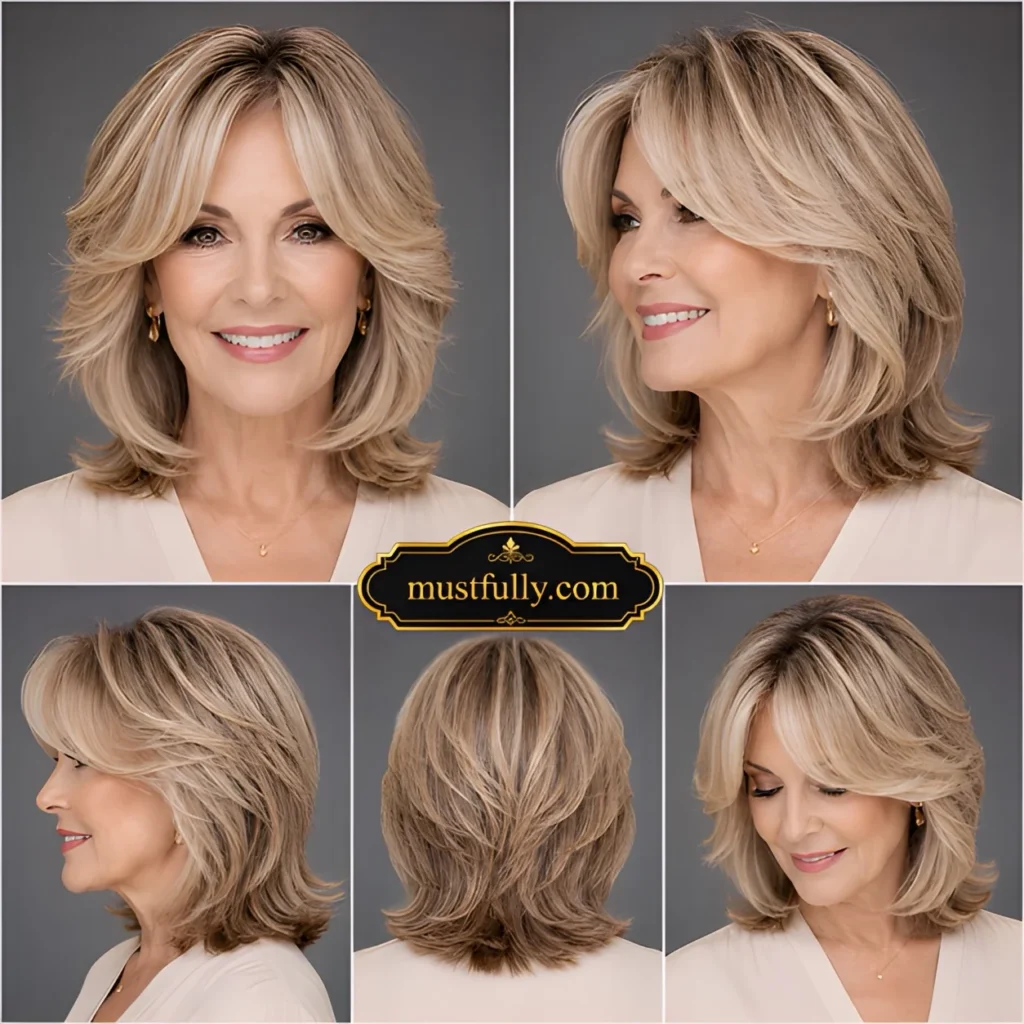
Sometimes, a small change around the face is all you need to make your hairstyle feel fresh. Curtain bangs are parted near the middle and sweep outward toward the temples, creating a soft frame rather than a straight line across the forehead.
They can be paired with a bob, a layered lob, or longer hair. Their length and thickness can be adjusted to suit your preferred style, from subtle face-framing pieces to a more noticeable fringe.
Are curtain bangs easy to maintain?
They can be relatively simple to grow out, but they may need some styling to fall into place. Hair that naturally separates or curls in a different direction may require a little more attention in the morning.
Ask your stylist to consider your natural part, hairline, and texture before cutting the fringe. It is usually easier to shorten bangs gradually than to correct a fringe that has been cut too short.
Styling tip: Use a small round brush to guide each side away from the face while blow-drying. You do not need a dramatic, perfectly symmetrical finish; a little natural movement can look just as attractive.
6. Silver and Salt-and-Pepper Hair: Letting Natural Color Shine
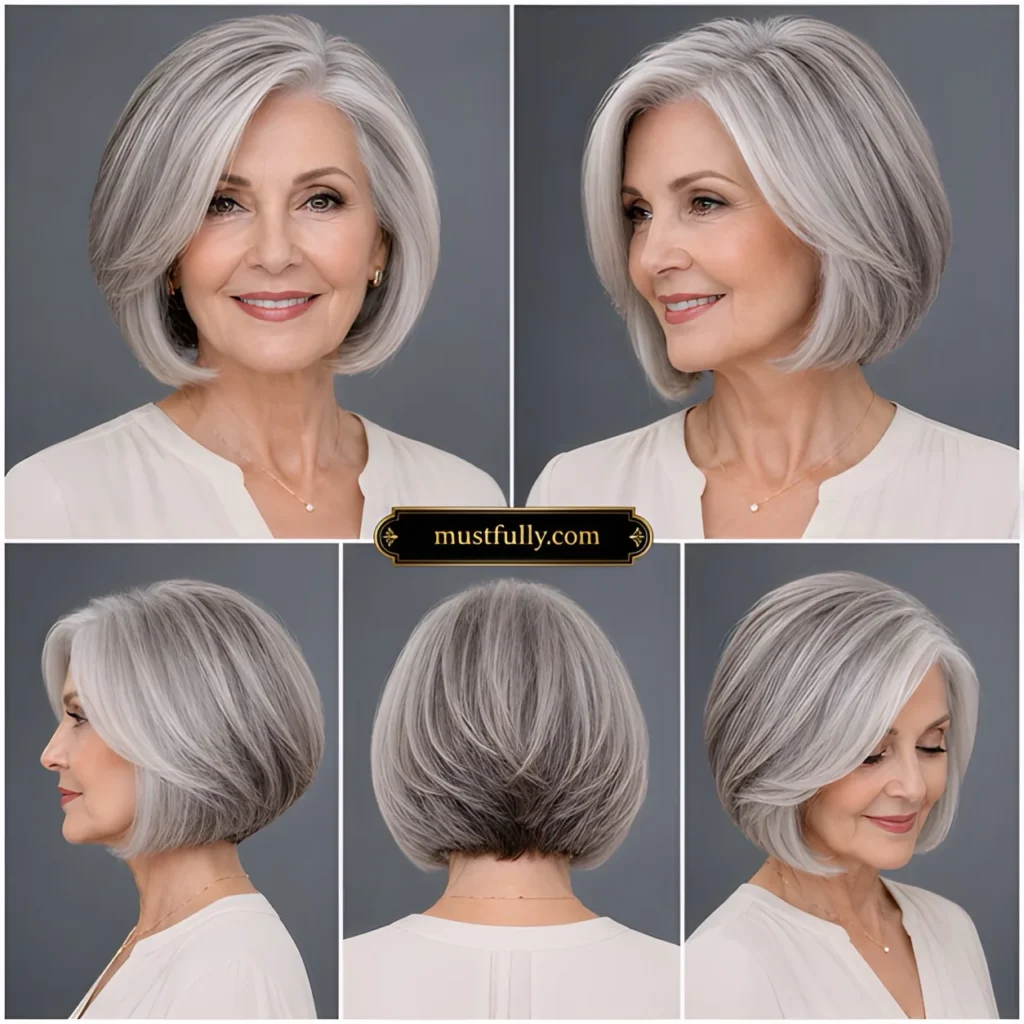
Gray hair can be worn in many ways, from a blend of dark and silver strands to a bright, all-over silver shade. Rather than choosing a particular haircut because of its color, think about how the cut and your natural texture work together.
A softly layered bob, a textured pixie, and longer layers can all complement silver or salt-and-pepper hair. The right option depends on how much length you want to keep and how your hair sits around your face.
Caring for gray or silver hair
Some gray hair can feel drier, coarser, or more prone to frizz than it did before. A gentle shampoo, a moisturizing conditioner, and careful heat styling may help keep it manageable.
If your silver hair develops a yellowish cast, a purple shampoo may help reduce the appearance of yellow tones. Follow the product directions, because using it too often can leave some hair feeling dry or create an unwanted tint.
You do not have to color your gray hair to make it look intentional. If you prefer your natural shade, ask your stylist about shaping the cut and removing dry ends so the color and texture look well cared for.
7. The Layered Lob: A Flexible Shoulder-Length Style
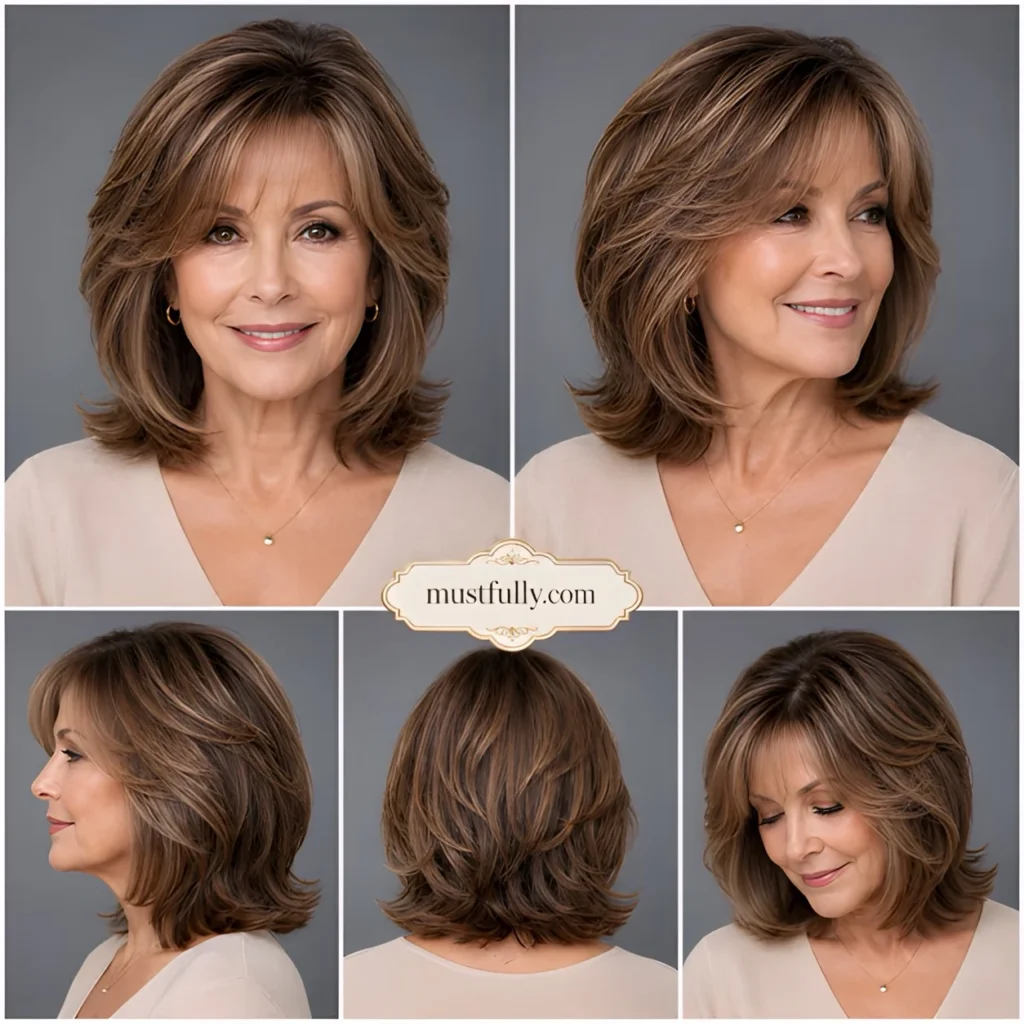
A lob, or long bob, generally falls around the shoulders or just above them. It offers more length than a classic bob while remaining easier to manage than many longer hairstyles.
Adding layers can give a lob more movement and help it feel less heavy. Some versions are softly textured throughout, while others keep most of the fullness near the ends with only a few face-framing pieces.
Who should consider a layered lob?
A layered lob may appeal to women who want to tie their hair back occasionally but still prefer a defined haircut. It can also be a useful option if you are growing out a shorter style and want a shape that looks intentional during the transition.
The best amount of layering depends on your hair. Fine hair may look fuller with fewer, longer layers, while thick hair may benefit from more shaping to reduce bulk.
Styling tip: For a relaxed finish, let the hair dry naturally if your texture allows, then smooth just the sections that need extra control. A middle or side part can change the overall look without requiring another haircut.
How to Choose the Best Haircut for Your Hair Type
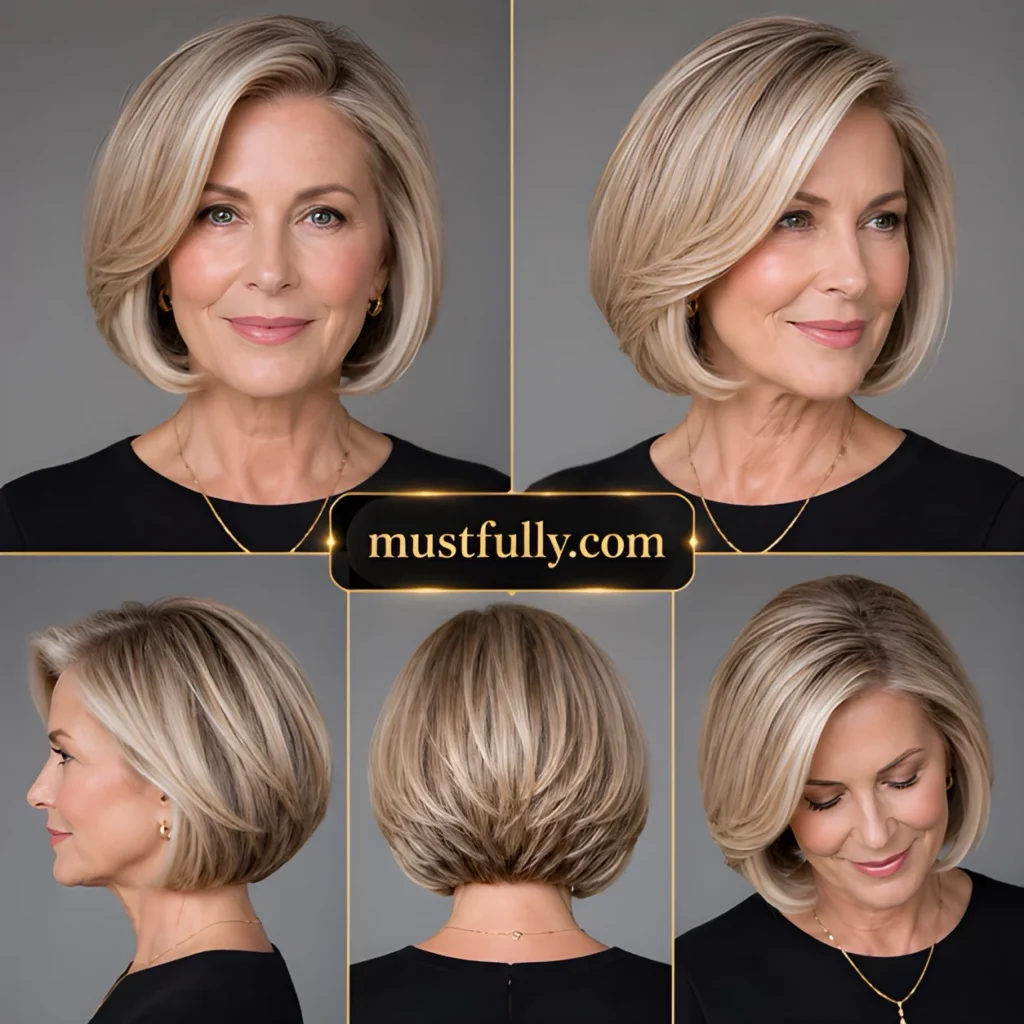
Photos can help you discover styles you like, but the same haircut can look different on two people. Before booking an appointment, consider how your hair behaves on an ordinary day, not just how it looks after a professional blow-dry.
If you have fine or thinning hair
Consider a shape that keeps some fullness around the ends. A classic bob, a carefully shaped bixie, or a shorter pixie may be worth discussing with your stylist. Avoid assuming that many layers will automatically create volume; the right amount depends on your hair density and texture.
For more ideas, read our guide to the best short haircuts for fine hair over 50.
If you have thick hair
Ask about shaping that removes excess bulk without making the ends look too thin. A layered lob, a bob with carefully placed layers, or a longer layered cut may work well, depending on how much length you want to keep.
If your hair is naturally wavy or curly
Choose a cut that works with your natural pattern. Your stylist may want to assess how much your hair shrinks as it dries and where the curls naturally sit. Bring photos of your hair on a typical day, not only pictures of a finished salon style.
If you prefer a low-maintenance routine
Be honest about how much time you want to spend styling your hair. A cut that looks beautiful after a long blow-dry may not be the right fit if you prefer to wash, dry, and go.
Ask how often the style needs trimming, whether it works with air-drying, and what products are genuinely necessary. A good haircut should fit your routine rather than make your mornings more complicated.
Haircut Questions to Discuss With Your Stylist
You do not need to know every technical term before visiting a salon. A few clear questions can help you explain what you want and understand what is realistic for your hair.
- How will this haircut look with my natural hair texture?
- Will it make my ends look fuller or remove too much weight?
- How much daily styling will it require?
- How often will I need a trim to maintain the shape?
- Can we adjust the length so I can still tie my hair back?
- Which parts of the reference photo will work best with my hair?
Bring one or two reference photos and explain what you like about them. You might prefer the length of one cut and the fringe of another. Your stylist can help combine those details into a shape that works for you.
Frequently Asked Questions
What is a good haircut for a woman over 50?
There is no single best haircut for every woman over 50. A classic bob, bixie, textured pixie, long layers, curtain bangs, silver hairstyle, or layered lob may all be suitable depending on your hair texture, density, face shape, and styling preferences.
Should women over 50 cut their hair short?
No. Short hair is a personal preference, not a requirement. Long hair can look beautiful at any age when the length, condition, and styling suit the person wearing it.
Which haircut can make fine hair look fuller?
A well-shaped bob or a carefully cut pixie may help fine hair appear fuller, particularly when the ends retain enough density. The result depends on the amount of hair you have and how it naturally falls, so ask your stylist to assess your hair before choosing a cut.
Is gray hair suitable for a modern haircut?
Yes. Natural gray and silver shades can work with many haircuts, including bobs, pixies, and longer layered styles. The cut should complement your texture and preferred level of maintenance rather than follow an age-based rule.
How often should women over 50 get a haircut?
It depends on the style and how quickly your hair grows. Short, structured cuts may need more frequent trims to maintain their shape, while longer styles can often go longer between appointments. Your stylist can suggest a schedule based on the specific cut.
Final Thoughts
The best haircut is not necessarily the shortest, the trendiest, or the one that promises to make you look younger. It is the style that makes you feel comfortable, suits your hair, and fits the way you actually live.
If you love a classic bob, enjoy the freedom of a pixie, or feel most like yourself with long silver layers, there is no reason to choose a different style simply because you have reached a certain age.
Save a few reference photos, talk through your preferences with your hairstylist, and be open to small adjustments. Sometimes, a slight change in length, layers, or fringe is all it takes to find a haircut that feels right for you.