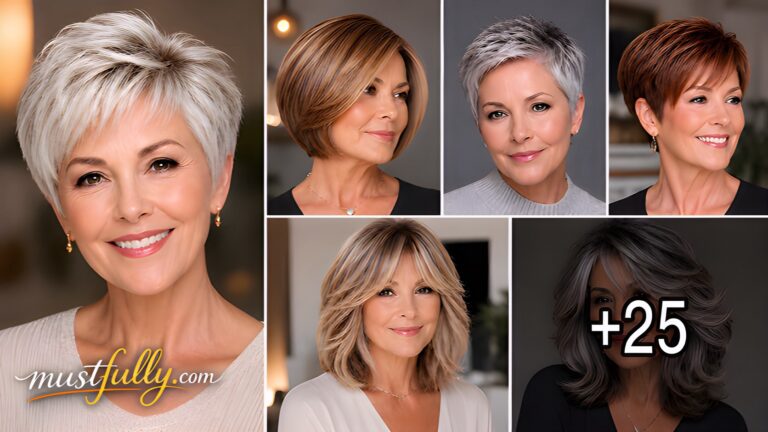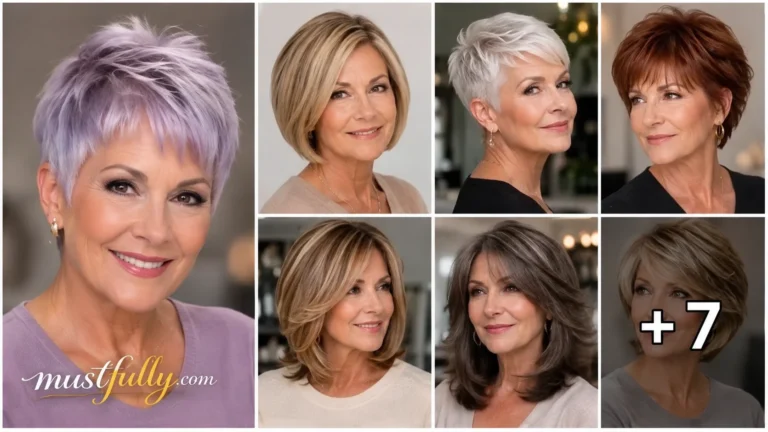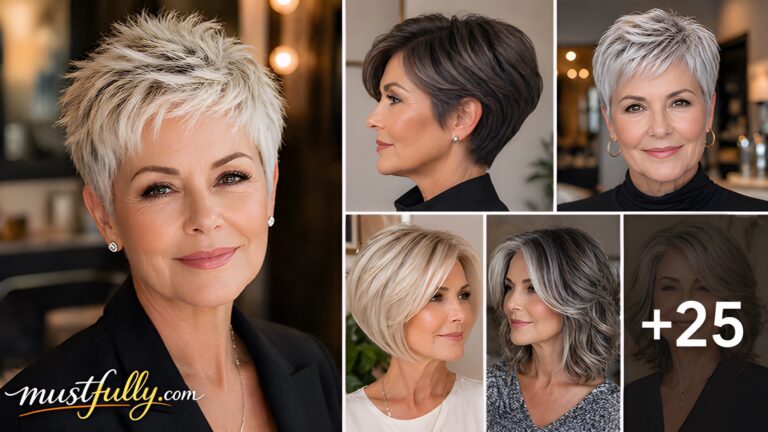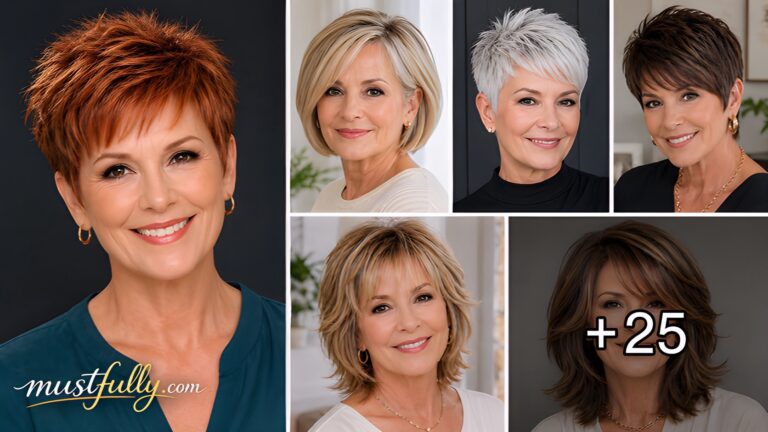
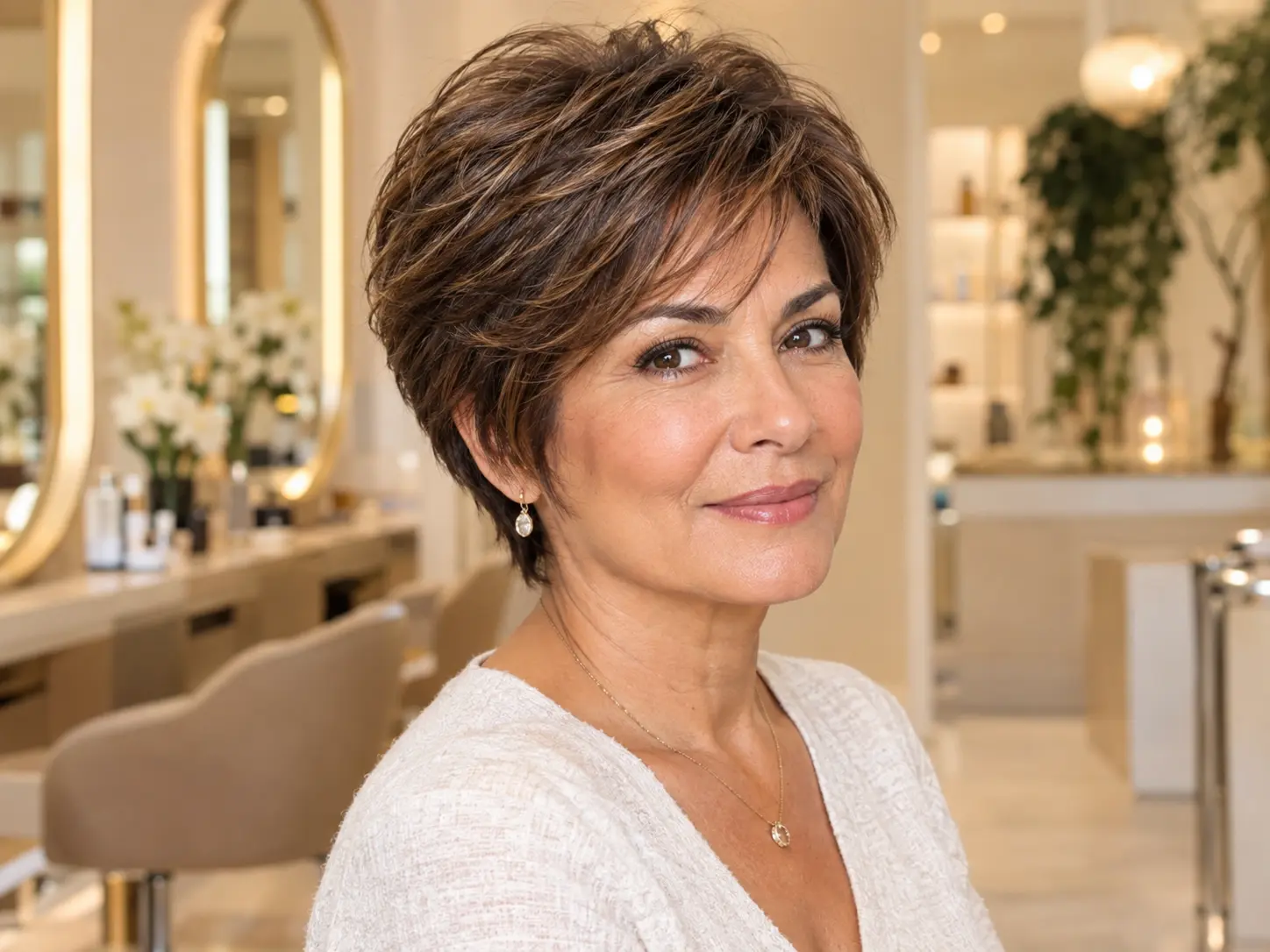

Fine hair can look beautiful at any age. However, as hair changes over time, you may notice that it feels softer, lies flatter, or becomes more difficult to style. The right short haircut can help you create the appearance of fullness, highlight your facial features, and simplify your daily routine.
The best short haircuts for fine hair over 50 are not necessarily the shortest or most layered. They are the ones that work with your natural texture, suit your face shape, and provide a shape you can maintain comfortably at home.
From textured pixies and elegant bobs to modern bixies and soft shags, there are plenty of options to explore. In this guide, you will discover 12 flattering short haircuts, how to choose the right one, practical styling advice, maintenance tips, and questions to ask your hairstylist before making a change.
Quick Comparison: 12 Short Haircuts for Fine Hair Over 50
Use this table to compare the main styles before deciding which one might work best for you.
| Haircut | Best For | Styling Tip |
|---|---|---|
| 1. Textured Pixie | Women who prefer short, easy-to-style hair | Use a small amount of lightweight texturizing product |
| 2. Chin-Length Bob | Those who like a classic, polished shape | Keep the perimeter defined for a fuller-looking outline |
| 3. Modern Shag | Women who enjoy a relaxed, textured finish | Ask for soft, carefully placed layers |
| 4. Short Layered Bob | Hair that needs shape and movement | Avoid excessive thinning at the ends |
| 5. Long Pixie | Those who want short hair with styling flexibility | Sweep the longer fringe to one side |
| 6. French Bob | Women who like a chic, structured appearance | Choose fringe that works with your natural texture |
| 7. Bixie | Those who cannot decide between a pixie and a bob | Keep enough length around the crown and sides |
| 8. Short Cut with Curtain Bangs | Women who prefer softness around the forehead | Style the bangs away from the face |
| 9. Shaggy Pixie | Those who enjoy a casual, piecey finish | Separate a few sections with your fingertips |
| 10. Graduated Bob | Women who prefer a shaped, sculpted silhouette | Ask for a subtle graduation suited to your hair density |
| 11. Soft Layered Crop | Those who want a feminine, low-fuss style | Use gentle root lift rather than heavy products |
| 12. Side-Parted Short Bob | Women who prefer a simple, adaptable haircut | Experiment with the part before committing to a new shape |
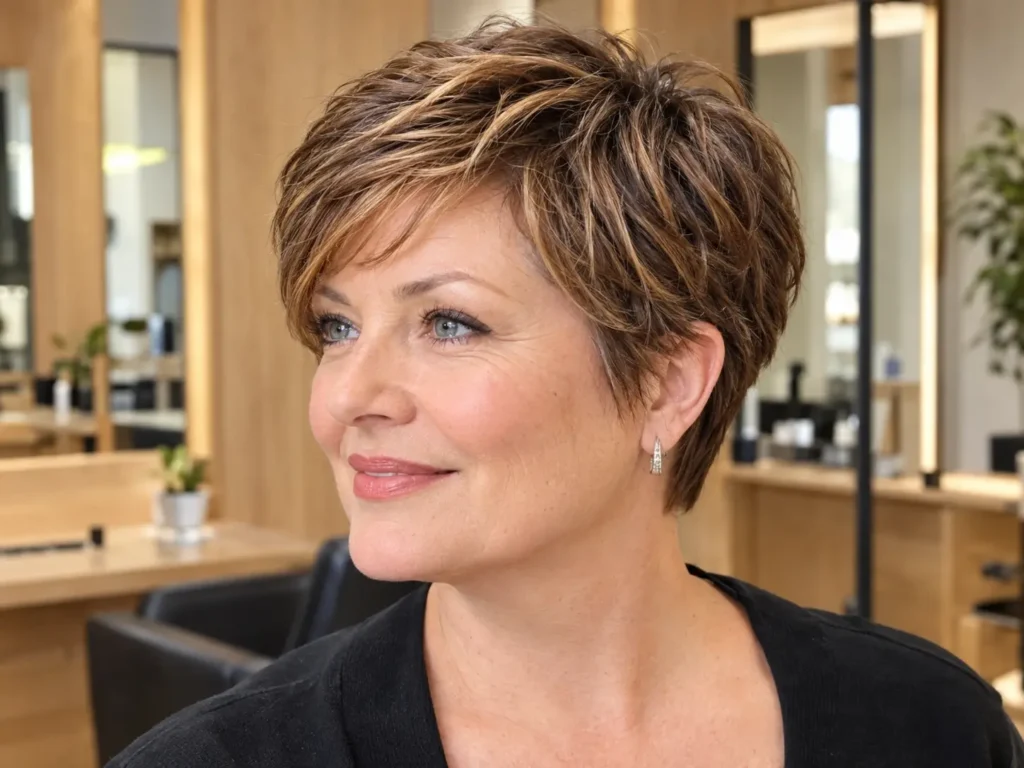
1. Textured Pixie: A Short Cut with Modern Movement
A textured pixie is one of the most versatile short haircuts for fine hair over 50. It combines a short silhouette with carefully shaped pieces that create dimension and prevent the hair from looking too flat.
The sides and back can be kept neat, while the top remains slightly longer for styling flexibility. Depending on your preference, the finish can be smooth and elegant or tousled and casual.
Why Consider a Textured Pixie?
- It can reduce the time needed for daily styling.
- Shorter lengths may be easier to manage when your hair is delicate.
- Texture can create the appearance of more movement.
- The shape can be adapted to different face shapes and personal styles.
How to Style It
Start with a small amount of lightweight volumizing product on damp hair. Blow-dry the roots in different directions before settling the hair into your preferred shape. Finish by separating a few pieces with your fingertips.
Avoid applying heavy wax or cream throughout the entire head, as these products can make fine strands look flatter.
Ask your stylist: Can we keep enough length at the crown to create texture without making the sides look too thin?
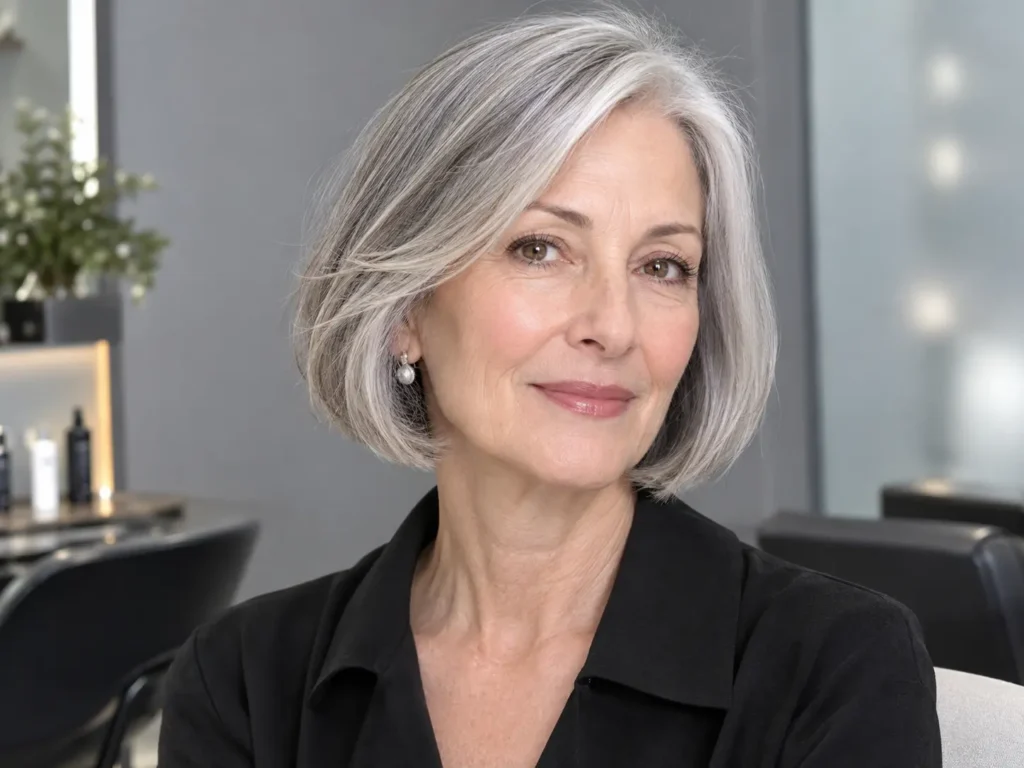
2. Chin-Length Bob: A Classic Shape for Fine Hair
A chin-length bob offers a timeless alternative to very short haircuts. Its defined outline can make the ends appear more substantial, especially when the cut is carefully shaped and the hair is not excessively thinned.
This style works particularly well for women who want a polished appearance while retaining enough length to tuck their hair behind an ear or change their part.
What Makes This Bob Different?
Unlike a heavily layered style, a classic chin-length bob often relies on its perimeter to establish the shape. Soft internal layers may be added when necessary, but too many layers can remove the visual weight that helps fine hair look fuller.
The length can also be adjusted slightly above or below the chin to suit your jawline and neck.
Styling Tips
For a smooth finish, use a lightweight heat protectant and direct the dryer downward along the hair shaft. A round brush can help shape the ends, but you do not need to create dramatic curls.
For a more relaxed look, allow the hair to retain a little natural movement rather than forcing every strand into place.
Ask your stylist: Would a blunt perimeter or a softly layered bob give my hair the fuller appearance I want?
3. Modern Shag with Wispy Bangs
The modern shag offers a softer, more relaxed alternative to a traditional bob. It uses layers to create movement around the crown and sides, often paired with wispy bangs that blend into the rest of the haircut.
For fine hair, the key is moderation. A shag that removes too much weight can make the ends appear sparse, so the layers should be selected according to your actual hair density.
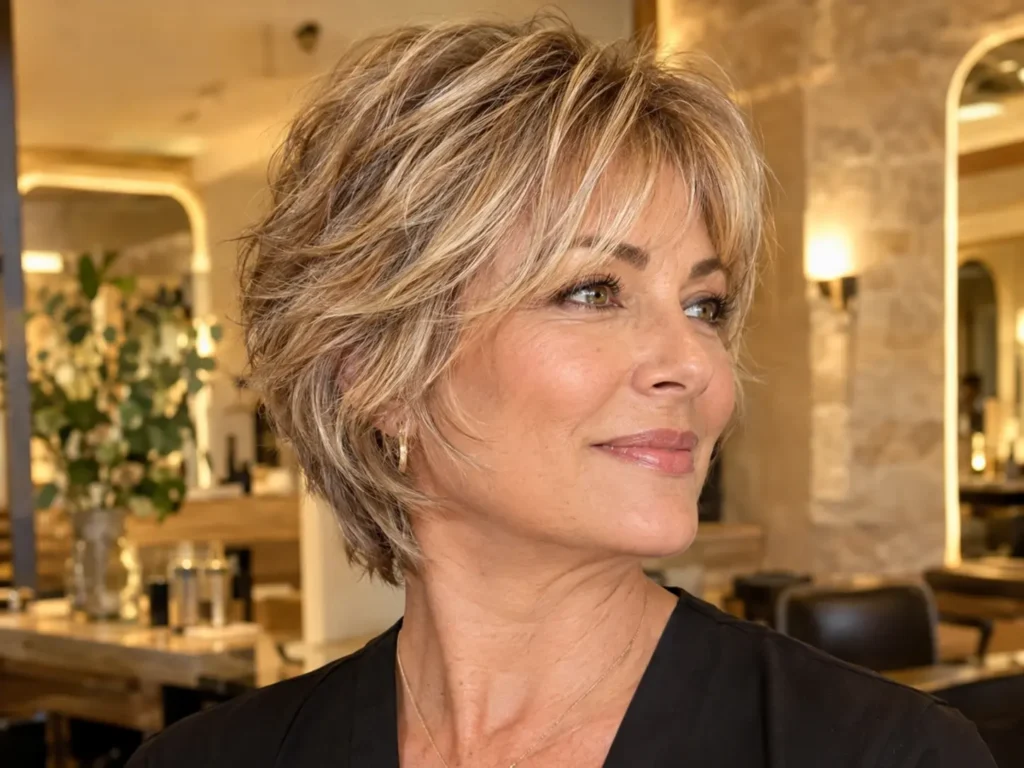
Who Might Like This Style?
Consider a modern shag if you enjoy a casual finish, prefer some movement around your face, or do not want your haircut to look overly structured.
It can be particularly appealing to women who like a slightly undone style rather than a perfectly smooth finish.
How to Maintain the Shape
Apply a small amount of lightweight styling mousse to damp hair. Scrunch gently or use a diffuser on a low setting if your hair has a natural wave. If your hair is straight, a few carefully directed sections with a round brush can add shape.
Do not rely on excessive teasing to create volume. Repeated rough backcombing may cause unnecessary tangling and breakage.
Ask your stylist: Can you create a soft shag that preserves fullness around my ends?
4. Short Layered Bob: Movement Without Losing Shape
A short layered bob combines the familiar outline of a bob with carefully placed layers that help the hair move more naturally.
This can be a good option if your hair looks flat when cut to one uniform length or if you prefer a little lift around the crown. The goal is to create shape without removing too much density from the lower sections.
Choosing the Right Layers
Fine hair does not always benefit from more layers. The best approach depends on whether your hair is naturally straight, slightly wavy, or prone to frizz.
- Straight fine hair: Subtle layers can introduce movement without making the ends look wispy.
- Wavy fine hair: Soft shaping can help the natural wave sit more comfortably.
- Very low-density hair: A simpler shape with fewer layers may create a fuller-looking outline.
Everyday Styling
Blow-dry the roots first, lifting small sections gently with your fingers. Shape the ends with a brush only where needed. A lightweight finishing spray can help hold the style without making it stiff.
Ask your stylist: Where should the layers begin so that my hair keeps its visual fullness?
5. Long Pixie with Side-Swept Bangs
A long pixie offers a useful middle ground between a very short crop and a longer bob. The top and fringe remain long enough to be swept sideways, creating several styling possibilities without requiring much length at the back.
The side-swept fringe can soften the forehead and create an asymmetrical line that draws attention toward the eyes.
Why Choose a Long Pixie?
This style may suit women who want short hair but are not ready for a very close crop. It can also be adapted to different levels of styling effort, from a smooth finish for work to a more textured look for everyday wear.
The exact fringe length should be chosen with your natural growth pattern in mind. A fringe that fights a strong cowlick may require more daily styling than you want.
Simple Styling Routine
Apply a lightweight root-lifting product to damp hair. Blow-dry the fringe diagonally across the forehead, then direct it into your preferred side part. Finish with a small amount of flexible-hold spray if necessary.
Ask your stylist: How long should the fringe be to give me flexibility without falling into my eyes?
6. French Bob with Soft Fringe
The French bob is known for its compact shape, usually around the jaw or chin, and its characteristic fringe. It can look elegant, modern, and deliberately simple.
For fine hair, this haircut works best when the perimeter is carefully maintained and the fringe is adapted to your hair’s natural thickness. A very dense fringe may not suit everyone, while a softer version can blend more easily with delicate strands.
How to Personalize the Cut
You can choose a more structured French bob for a polished appearance or a slightly relaxed version with natural texture. The fringe may be straight, softly curved, or parted slightly, depending on your preferences.
Consider how your hair behaves when it dries naturally. If it tends to bend or separate, your stylist can adjust the fringe length to accommodate that pattern.
Styling at Home
Use a small round brush to shape the fringe, directing the airflow from above. Keep the rest of the haircut relatively simple so the outline remains the focus.
A lightweight smoothing product may help control flyaways, but avoid applying too much near the roots.
Ask your stylist: Would a full fringe or a softer, more separated fringe work better with my hair density?
7. Bixie: The Best of a Pixie and a Bob
The bixie combines elements of a pixie and a bob. It is generally shorter and more textured than a classic bob but retains more length and softness than a traditional pixie.
This combination makes it a useful choice for women who want a modern short haircut without committing to a very short silhouette.
Want to compare these two popular styles? Explore our guide toPixie vs. Bob: Which 2026 Cut Will Dominate for Women 50+?
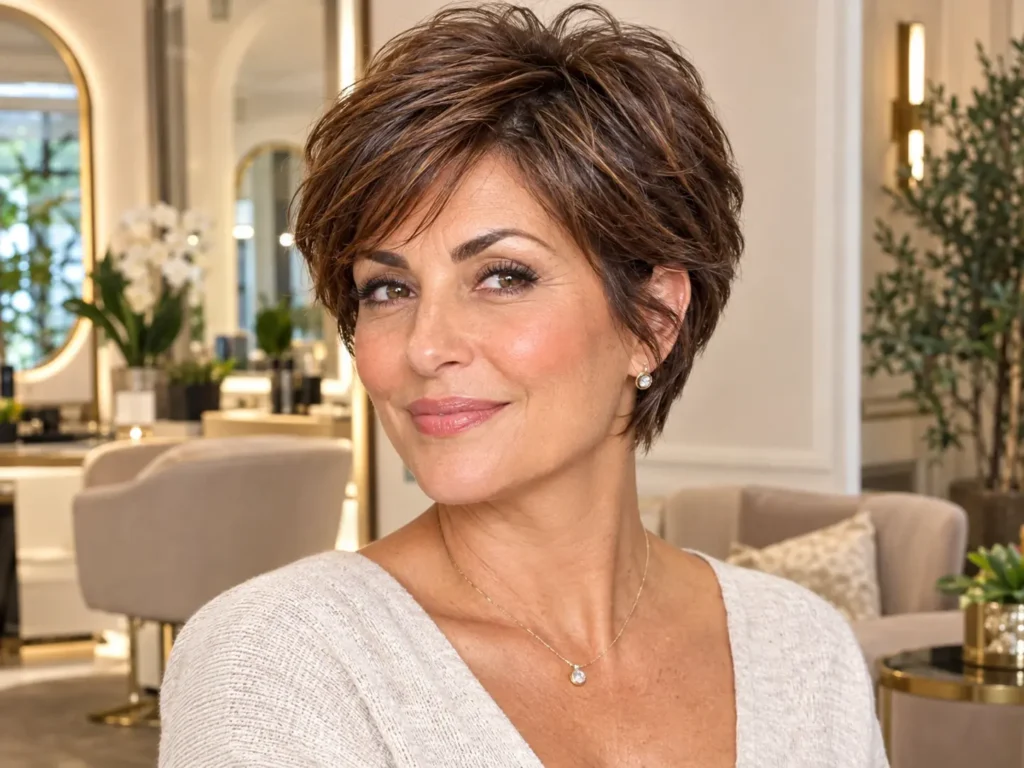
What to Expect from a Bixie
A bixie can include a longer crown, soft side sections, and a nape that is shaped according to your preference. Its versatility comes from the balance between short and longer sections rather than from extreme layering.
For fine hair, the cut should be designed to maintain a balanced outline. If too much weight is removed from the sides, the hair may look less substantial.
Styling Tips
Apply a small amount of mousse or lightweight styling lotion to damp hair. Use your fingers to lift the crown while blow-drying, then shape the longer pieces around the face.
You can wear the bixie smooth, tousled, or swept to one side, depending on the occasion.
Ask your stylist: Can we create a bixie that keeps enough fullness around my temples and nape?
8. Short Hair with Curtain Bangs
Curtain bangs are parted near the middle and sweep outward to frame the face. When paired with a short bob, crop, or longer pixie, they can soften the overall shape without requiring a heavy, full fringe.
The most important consideration for fine hair is how much hair is used to create the bangs. Taking too much hair from the front may leave the remaining top sections looking thinner.
Who Should Consider Curtain Bangs?
They may appeal to women who want a softer frame around the forehead, prefer a less structured fringe, or enjoy styling their hair away from the face.
The part does not have to be perfectly centered. A slightly off-center part can work better if your natural growth pattern favors one side.
How to Style Curtain Bangs
Apply a small amount of lightweight styling product to the fringe. Use a round brush to direct one side away from the face, then repeat on the other side. Finish with gentle airflow rather than excessive heat.
If you prefer air-drying, ask your stylist to cut the fringe so that it works with your natural texture.
Ask your stylist: Can my bangs be shaped to blend into the sides without taking too much hair from the crown?
9. Short Shaggy Pixie: A Relaxed, Textured Finish
A shaggy pixie combines the convenience of a short haircut with a more casual, piecey finish. Rather than creating a smooth, sculpted silhouette, it uses selected layers to give the hair a relaxed appearance.
This style can be appealing if you do not want every strand to sit perfectly in place.
How It Differs from a Textured Pixie
A textured pixie can be styled in several directions, including smooth and polished. A shaggy pixie usually emphasizes a more visibly separated finish, with irregular pieces around the crown or fringe.
The distinction should come from the styling and shape, not from removing as much hair as possible.
Styling Without Heaviness
Work a tiny amount of lightweight texture product between your fingertips, then apply it to selected sections. Avoid coating the entire head, especially near the roots.
If your hair is very fine, start with less product than you think you need. You can always add a little more.
Ask your stylist: Which sections should remain longer so the style looks textured rather than thin?
10. Graduated Bob: A Carefully Shaped Silhouette
A graduated bob uses a change in length from the nape toward the sides to create a more sculpted outline. Depending on the cut, the back may sit shorter while the front remains longer.
This style can be an option for women who prefer a defined shape rather than a loose, layered finish.
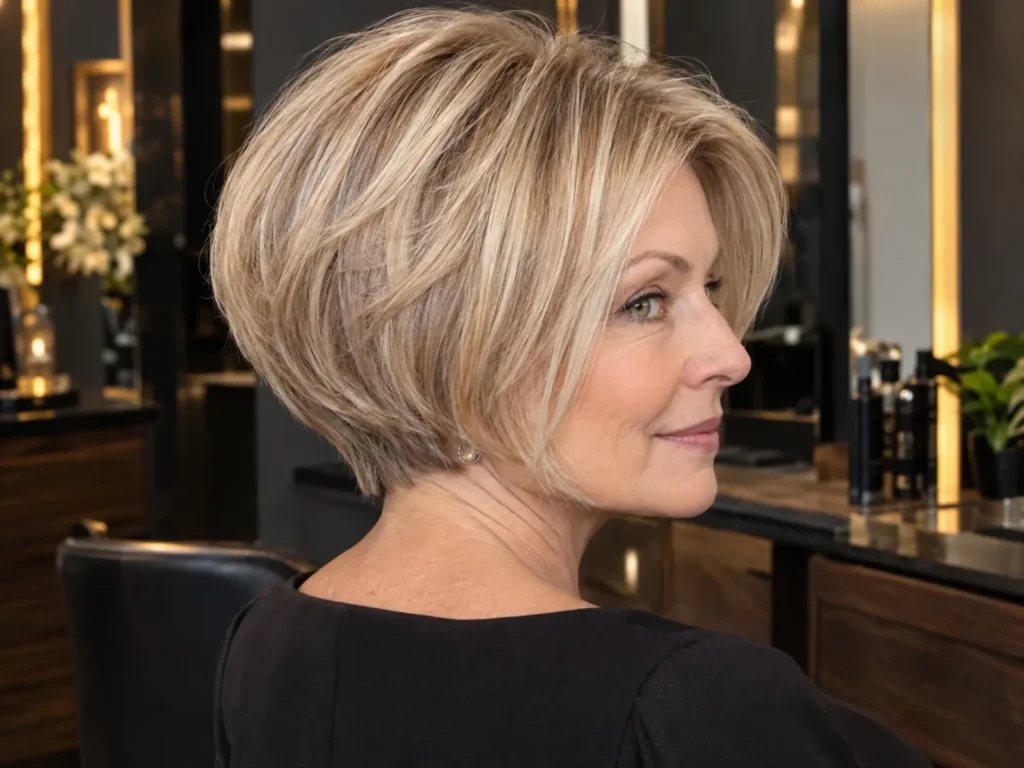
Is a Graduated Bob Right for Fine Hair?
It depends on your hair density, natural growth pattern, and preferred level of maintenance. A subtle graduation can give the haircut a clear shape, but an overly aggressive cut may expose areas where your hair is naturally less dense.
Bring a reference photo to your appointment and discuss how the back and sides will look when the hair is dry.
Maintaining the Shape
A graduated bob often benefits from regular trims because its silhouette depends on the relationship between the back and front lengths. Your ideal appointment schedule will depend on how quickly your hair grows and how precise you want the outline to remain.
Style the back first, using a brush to guide the hair into the intended shape. Then finish the sides and front.
Ask your stylist: Can we keep the graduation subtle enough to preserve the fullness of my hair?
11. Soft Layered Crop: Gentle Shape and Easy Styling
A soft layered crop is a short haircut with subtle layers and a less rigid outline than a sharply sculpted pixie. It can be tailored to look neat and polished or slightly relaxed.
This option is worth considering if you want a short style but prefer softness around the ears, temples, or crown.
What Makes It Suitable for Everyday Wear?
The haircut does not rely on a dramatic fringe or a sharply angled outline. Instead, its shape comes from the relationship between the short sections and the longer pieces that frame the face.
A good cut should work with your natural hair rather than require extensive daily styling to look balanced.
A Simple Routine
After washing, gently blot your hair with a towel instead of rubbing it vigorously. Apply a lightweight volumizing product if needed, then lift the roots while blow-drying.
Use your fingers to position the longer pieces. If the hair falls naturally into place, there is no need to add more product.
Ask your stylist: Can you create a soft crop that looks good with minimal heat styling?
12. Side-Parted Short Bob: Simple and Adaptable
A side-parted short bob is a straightforward choice for women who like a classic haircut with a little flexibility. Changing the part can alter the way the hair falls around the forehead and crown without requiring a different haircut.
For some people, a side part can create the appearance of more lift on one side. The result depends on the natural direction of the hair and how it is styled.
Why Consider This Style?
- It can look professional without feeling overly formal.
- It allows small changes in styling from day to day.
- The length can be adjusted to suit the jawline and neck.
- It does not require a dramatic fringe or extensive layers.
How to Style a Side-Parted Bob
Experiment with the part while your hair is damp. Blow-dry the roots in the direction opposite to the final part for a little lift, then move the hair into position.
Avoid forcing a deep side part if it creates a visible gap or makes the hair separate awkwardly. A subtle shift may be enough.
Ask your stylist: Which parting direction works best with my natural growth pattern?
Looking for more ideas before choosing your next style? Read our guide to the best haircuts for short hair for women over 50.Short Haircut Ideas for Women Over 50.
How to Choose the Best Short Haircut for Your Face Shape
Face shape can help guide your decision, but it should not determine it completely. Your hair density, texture, lifestyle, and personal preferences are equally important.
If you are over 60 and looking for more inspiration, discover our guide to the best haircuts for women over 60. Best Haircuts for Women Over 60
Round Faces
If you prefer to create the appearance of more length, consider a longer pixie with some height at the crown or a bob that sits below the widest part of your cheeks.
Side-swept fringe can introduce a diagonal line without requiring a dramatic change. Avoid choosing a haircut solely because a rule says round faces must never wear short hair; the overall proportions matter more than rigid rules.
Oval Faces
Many short styles can work well with an oval face, including textured pixies, French bobs, bixies, and soft layered crops.
Use your preferred features as a guide. If you enjoy emphasizing your eyes, a side-swept fringe may appeal to you. If you prefer to show your forehead, a short crop without heavy bangs may be a better match.
Square Faces
If you want a softer appearance around the jaw, consider a bob with gentle movement near the sides or a pixie with a slightly longer fringe.
You do not need to hide your jawline. A structured bob can also look striking when you prefer a more defined style.
Heart-Shaped Faces
A short bob or longer pixie with softness around the temples and sides may help balance the proportions of a wider forehead and narrower chin.
Curtain bangs or a side-swept fringe can be useful options, but the ideal length depends on your hair density and how you like to wear your hair.
How Hair Texture and Density Affect Your Choice
The terms fine hair and thin hair are often used interchangeably, but they describe different things.
Fine hair refers to the diameter of individual strands. Thin or low-density hair refers to having fewer strands across the scalp. You can have fine hair that is relatively dense, or fine hair with lower density.
Understanding the difference helps you choose a haircut that works with your actual needs.
Fine but Dense Hair
If your strands are fine but you have plenty of them, you may have room for subtle layers, textured pixies, or a softly shaped shag. Your stylist can remove bulk selectively without making the ends look sparse.
Fine Hair with Low Density
If your hair is also low in density, a more compact shape with a defined perimeter may be preferable. A classic bob or carefully shaped crop may create a fuller-looking outline than a heavily layered cut.
If you have noticed a sudden change in density or persistent hair shedding, consider speaking with a qualified healthcare professional rather than relying on a haircut or cosmetic product to address the cause.
Naturally Wavy Fine Hair
A short shag, bixie, or softly layered bob can work with natural waves. The cut should be designed around how your hair dries, not only how it looks after a professional blow-dry.
Ask your stylist to explain how the haircut will behave on an ordinary day when you use minimal styling.
Best Hair Color Ideas for Fine Hair Over 50
Hair color can change the way a haircut appears, but no single shade is automatically best for fine hair. Your natural color, skin tone, maintenance preferences, and hair condition all matter.
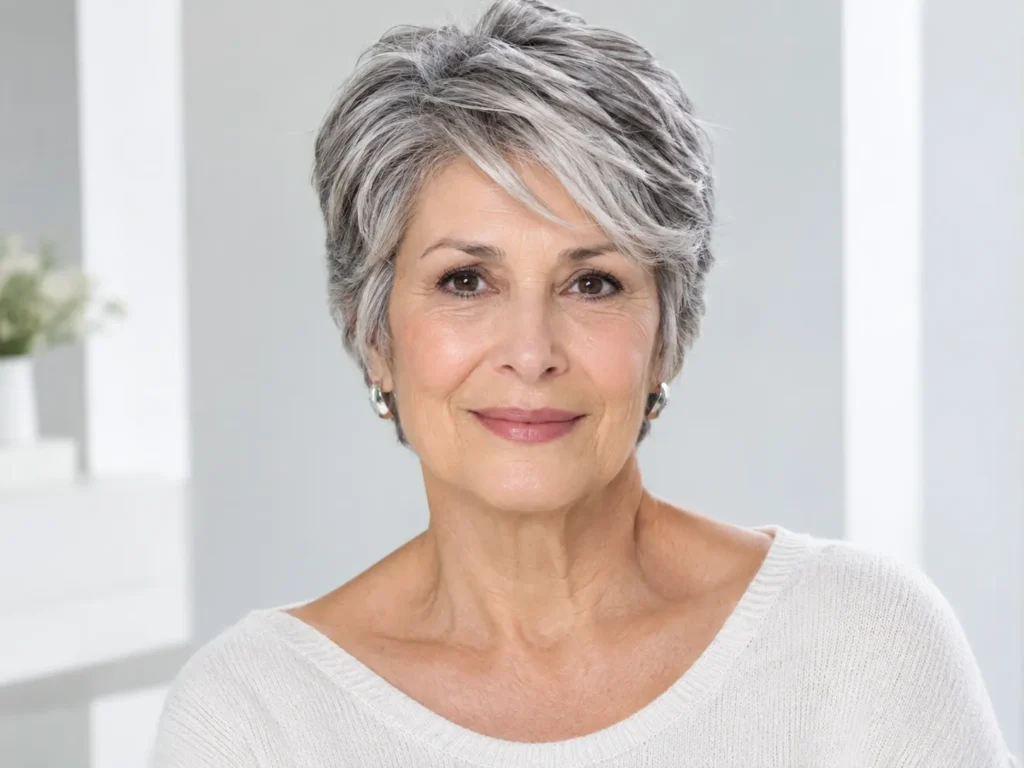
Silver and Salt-and-Pepper Hair
Natural gray, silver, and salt-and-pepper tones can look elegant with pixies, bobs, and short crops. A well-shaped haircut can help the overall style look intentional and polished.
If you prefer to embrace your natural gray, ask your stylist how to keep the color and shape looking fresh without committing to frequent salon visits.
Soft Blonde Highlights
Subtle blonde highlights may add visual dimension to a bob or pixie. However, excessive lightening can make fragile hair feel drier or more vulnerable to breakage.
Discuss the condition of your hair before choosing a chemical service. A softer color change may be more practical than a dramatic transformation.
Warm Brown and Chocolate Shades
Warm brown and chocolate tones offer a classic alternative to blonde or silver. They can work particularly well when you want a natural-looking finish that does not require extensive color maintenance.
Choose a shade that you enjoy and can comfortably maintain. The haircut itself remains the main factor in creating the overall silhouette.
Tips for Maintaining Colored Hair
- Use a shampoo and conditioner suited to your hair and scalp.
- Follow your colorist’s advice about washing and heat styling.
- Use a heat protectant when using hot tools.
- Avoid frequent chemical treatments if your hair is already fragile.
- Ask about maintenance costs and touch-up frequency before choosing a color service.
How to Style Fine Hair for a Fuller-Looking Finish
A suitable haircut is the foundation, but your everyday routine can influence how much body and movement you see.
1. Start with a Lightweight Product
Use a volumizing mousse or root-lifting product when appropriate for your hair. Start with a small amount and distribute it evenly.
Heavy creams, oils, and waxes may weigh down fine strands, particularly when applied close to the scalp.
2. Dry the Roots First
When blow-drying, focus on the roots before perfecting the ends. Lift small sections gently with your fingers or a brush and direct the airflow toward the roots.
Use moderate heat and avoid holding the dryer too close to the hair.
3. Experiment with Your Part
A small change in your part may alter the way the hair sits around the crown. Try this before adding more product or using a teasing comb.
If a new part looks unnatural, return to the direction that works with your growth pattern.
4. Avoid Excessive Product Buildup
Applying more product does not always create more volume. If your hair looks limp or feels coated, use less product and follow a washing routine appropriate for your scalp.
5. Choose Heat Tools Carefully
A small round brush can help shape a bob, while a diffuser may suit naturally wavy hair. You do not need several styling tools to maintain a short haircut.
Use heat protectant where appropriate and avoid excessive heat, especially if your hair is colored or prone to breakage.
Haircut Maintenance: How Often Should You Trim Short Hair?
Short haircuts often depend on their shape, so the timing of trims can affect how the style looks. There is no single schedule that works for everyone.
A sharply defined pixie or graduated bob may need more frequent shaping than a relaxed crop that grows out softly.
When choosing a haircut, consider:
- Your preferred shape: Do you want a precise outline or a more relaxed finish?
- Your budget: How often can you comfortably visit the salon?
- Your styling time: Are you willing to style your hair daily, or do you prefer a wash-and-go routine?
- Your grow-out preference: Does the haircut remain attractive to you as it gets longer?
Ask your stylist for a realistic trim schedule before committing to a high-maintenance cut. You should know not only how the haircut looks on the first day, but also how it will grow out.
Common Mistakes to Avoid When Choosing a Short Haircut
Choosing a Style Only Because It Looks Good in a Photo
A reference image is useful, but the model may have a different hair density, texture, or styling routine. Bring the photo to your stylist and discuss what can realistically be adapted to your hair.
Asking for Too Many Layers
Layers can introduce movement, but excessive layering may make low-density hair look less full. Explain that you want movement while preserving as much visual weight as possible.
Using Too Much Styling Product
Fine hair can become weighed down quickly. Start with a small amount, then add more only if necessary.
Ignoring the Grow-Out Stage
A haircut that looks beautiful immediately after a salon appointment may require regular shaping to maintain the same silhouette. Ask how it will look after several weeks.
Choosing a Cut That Requires More Time Than You Have
If you prefer a quick morning routine, be honest about that during your consultation. A style that works with your natural texture may be more satisfying than one that requires daily heat styling.
Questions to Ask Your Hairstylist Before Cutting Your Hair
A short consultation can help prevent disappointment and make your expectations clear.
- Which of these styles works best with my actual hair density?
- Will this cut look good when I style it at home?
- How much layering can my hair handle without losing fullness?
- Can you show me how the haircut will look from the front, side, and back?
- How often will I need a trim to maintain the shape?
- What is the simplest styling routine for this haircut?
- Will the style work with my natural gray hair or current color?
- How will the haircut grow out if I decide not to trim it immediately?
You can also ask your stylist to demonstrate the routine before you leave the salon. Watching the process once can make it easier to recreate the look at home.
Frequently Asked Questions
What is the best short haircut for fine hair over 50?
There is no single best haircut for everyone. A textured pixie may suit someone who wants a very short, low-fuss style, while a chin-length bob may be better for someone who prefers more length and a defined outline. The best choice depends on hair density, texture, face shape, and maintenance preferences.
Is a pixie cut good for fine hair?
A pixie can be a good option because shorter lengths may be easier to shape and style. The result depends on the cut. Ask your stylist to preserve enough length in the areas where you want texture or coverage.
Does a bob make fine hair look thicker?
A well-shaped bob can create the appearance of a fuller outline, especially when the ends are kept relatively defined. However, results depend on the density and condition of your hair, as well as the way the bob is cut and styled.
Should women over 50 avoid long hair if it is fine?
No. Age alone is not a reason to avoid long hair. If you enjoy longer styles, you can keep them. A short haircut is simply one option that may be easier to maintain or style for some people with fine hair.
Are bangs suitable for fine hair?
Yes, but the amount of hair used to create the bangs matters. Curtain bangs and side-swept fringe may be worth considering if you prefer a soft frame around your face. Ask your stylist to avoid taking too much hair from the top if your density is limited.
Which short haircut is easiest to maintain?
A simple crop or textured pixie may require little daily styling, but some short cuts need frequent trims to preserve their shape. A bob may take longer to style but offer a more relaxed grow-out. Consider both salon maintenance and your daily routine.
Can gray hair look good in a short haircut?
Absolutely. Silver, gray, and salt-and-pepper hair can work beautifully with pixies, bobs, bixies, and crops. The most important considerations are the haircut’s shape, your hair’s condition, and how you prefer to maintain your natural color.
How can I make fine hair look fuller without using heavy products?
Start with a haircut designed for your hair density. Use a small amount of lightweight volumizing product if needed, lift the roots gently while drying, and avoid applying heavy products close to the scalp. A change in your part may also help create a different shape.
Should I choose layers or a blunt cut for fine hair?
Both can work. A blunt or softly defined perimeter may help create a fuller-looking outline, while carefully placed layers can add movement. The right choice depends on whether your hair is fine and dense or fine with lower density.
Final Thoughts: Choose a Haircut That Works for You
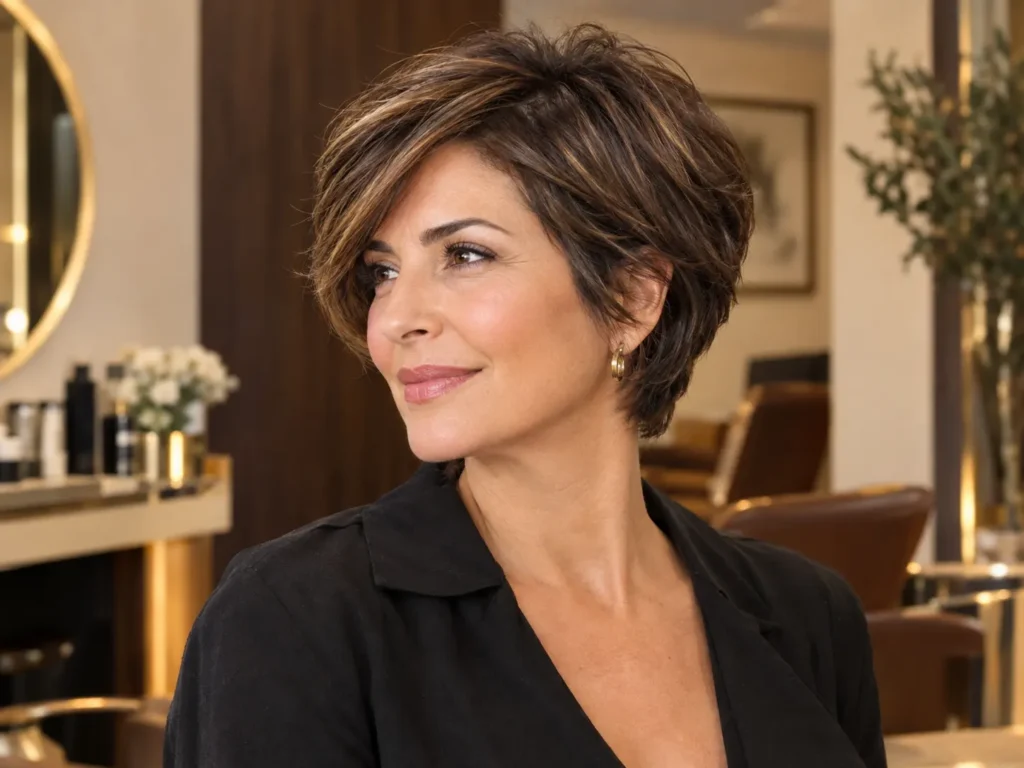
The best short haircut for fine hair over 50 is one that makes you feel comfortable, confident, and happy with your everyday appearance. A textured pixie, classic bob, modern shag, or versatile bixie can all be attractive choices when adapted to your natural hair.
Before making a decision, consider your hair density, the amount of styling time you have, and how often you want to visit the salon. Bring reference photos to your stylist, ask about the grow-out stage, and choose a shape that works in real life rather than only in a photograph.
If you would like to explore more ideas, read our guide to 30 Short Hairstyles That Enhance Mature Features or discover the best haircuts for women over 60.
Your age does not dictate your hairstyle. The right cut is the one that works with your hair, suits your preferences, and helps you enjoy the way you look.